


How do you build a sustainable writing career in an industry that never stops changing? The enigma has long plagued many indie authors—those writing Mystery and other genres alike. But USA TODAY best-selling author Sara Rosett has spent years doing exactly that. From traditional publishing to hybrid and ultimately fully independent publishing, and from writing more than thirty Cozy Mysteries to creating nonfiction craft books, teaching fellow authors, and hosting two podcasts, Rosett has continually adapted her career to fit her lifestyle and interests.
Although her first few series featured amateur sleuths thrown into investigative work through a variety of unusual events, in her later work, Rosett's protagonists have grown into professional investigators whose reputations precede them. As she explains, "I intentionally set up [the protagonist of] my Historical Cozies to be a woman who, eventually, as the series goes on, people begin to come to her. She becomes known as the sleuth for the posh set."
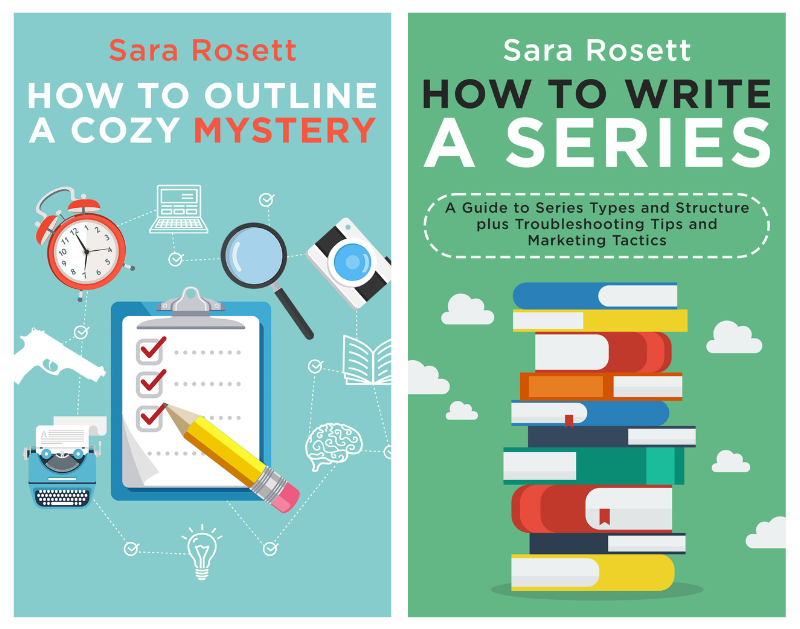
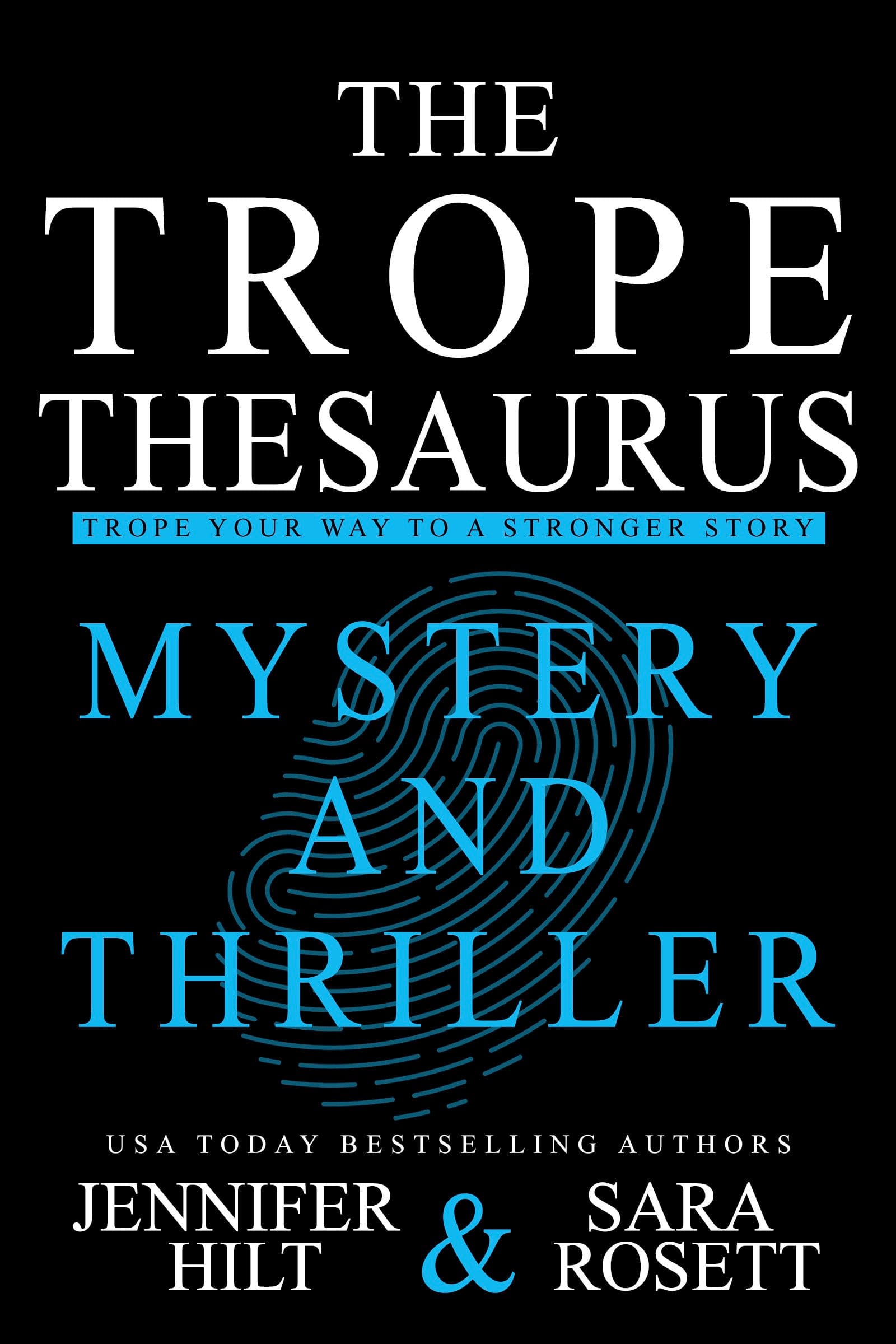
Much like her characters, Rosett has grown from an author learning the publishing landscape into someone other writers seek out for guidance. As the author of How to Outline a Cozy Mystery and How to Write a Series, she now shares the lessons she's gathered through books, speaking engagements, and conversations with authors navigating the same path. Her roles as co-host of the Wish I’d Known Then podcast with Jami Albright and co-author of The Trope Thesaurus: Mystery and Thriller position her as an expert on the genre.
But the success of Rosett's career is no secret to uncover. She has built it the same way her characters’ mysteries are solved: by gathering information, recognizing patterns, adapting to new clues, and making intentional decisions about what comes next.
Discovering the Mystery of Publishing
Sara Rosett didn't set out to become an independent author. She launched her career in 2006 with her Ellie Avery books, which she published with Kensington Publishing. The Contemporary Cozy Mystery series came at a time when traditional publishing was still the standard path for Mystery writers. After building a successful career there, she experimented with a different approach, independently publishing the international Mystery series, On the Run, in 2012 while continuing to write the Ellie Avery series for Kensington.
For several years, Rosett worked in both traditional and independent publishing, giving her a rare opportunity to compare the two models firsthand. "I enjoyed traditional publishing in some ways, but there were a lot of frustrations with it, too—one of them being that so much of it is out of your control," she says.
Those challenges became especially clear when she was writing one book for a traditional publisher while drafting another independently. "I was working on two books at the same time, which I'd never have done, and it was mind-bending for me. It was horrible, but I got through it," she says. "I just found that going back and forth was very hard for me because I would just get rolling on one of my indie projects and then copy edits would come in [for the traditionally published project], and I'd have to stop and do those."
“I enjoyed traditional publishing in some ways, but there were a lot of frustrations with it, too—one of them being that so much of it is out of your control.”
—Sara Rosett
For Rosett, the greatest benefit of indie publishing was the ability to make intentional choices about every part of the process. "I enjoyed the freedom of being able to hire somebody to do my cover, and controlling the process, and my timing, and not being on somebody else's schedule," she says. That same intentionality eventually shaped how she approached her series planning, allowing her to think not just about individual books but also about the long-term reader experience she wanted to create, now as a full-time independently published author.
From Amateur Sleuth to Professional Investigator
Following her experiment with the suspenseful On the Run books, which she refers to as Travel Cozies, Rosett returned to her Cozy Mystery roots with the Murder on Location series, about "a Jane Austen location scout traveling around England looking for locations to shoot Jane Austen adaptations," she says. Writing the seven books for that series after the ten Ellie Avery books gave her a deeper understanding of what readers expected from the Cozy Mystery genre.
As her understanding of Mystery storytelling deepened, so did the kinds of investigators she wanted to write. "I wish I'd thought more about how I was going to extend different growth arcs across the series," Rosett says of her early series. She began thinking beyond the next book, considering how her characters would grow over multiple installments and what would keep readers invested over the long term instead of focusing solely on the mystery at hand.
That lesson shaped her approach to the High Society Lady Detective series. "With my most recent series, with the High Society series, I really planned it out," Rosett says. "I was like, ‘Okay, in the beginning, she will figure out she's a detective in the first couple books, and then in the next three books, she'll be working for friends and family, and then in the next three books, she'll have strangers bringing her cases.’"
“My first love is novels and writing the stories that I want to write.”
—Sara Rosett
Planning for the long term also changed how Rosett viewed the publishing business. Along with developing sustainable series, she learned the importance of watching the market and anticipating change. Still, she says, she wished she had “kept an eye on the market more” earlier in her career. "I was just totally unprepared for all the changes," she says.
Rosett says she noticed shifting trends within her genre as well. Comparing the way the market has evolved with where it was when she started publishing, Rosett says genre conventions have become more specific, with an increasing number of niches creating silos within the broader Cozy Mystery category. "The market itself has changed so much, and when I first started, nothing was quite as sharply defined as it is now," Rosett says. "I felt everything was getting much more fractured."
However, she acknowledges that despite the narrow definitions, "readers have changed in that they're more willing to read different types of stories, or stories that people would say are edgier Cozies," which allows authors to push the boundaries.
Although she says she’s "not very futuristic" and has trouble predicting shifts in the industry, Rosett has learned to offset her challenges by following other authors who are stronger in those areas. She tunes into Joanna Penn’s The Creative Penn podcast and spends time looking at popular covers in her genre regularly, using what she learns to inform but not control her process. Her advice for authors looking to find their audience is to find a niche that interests them and stay the course—"as long as you're happy continuing to write that type of book" and as long as the readership of that niche is big enough to support a career.
Sharing the Case Files
Advising other authors seemingly comes naturally to Rosett, and with several nonfiction craft books, a podcast, and panel appearances under her belt, it’s become a large part of her career. But Rosett's transition from author to educator happened gradually. She began by sharing information simply because she had spent years gathering it herself.
When she began writing Cozy Mysteries, she found herself learning the conventions of the genre through trial and error. "I felt like I stumbled around quite a bit trying to figure out how to write a Cozy," Rosett says. When more authors began moving into Cozy Mystery from other genres, she realized they were facing many of the same questions she had encountered. "At the time that I first did How to Outline a Cozy Mystery [published in 2020], people were moving from other genres into Cozy, and I thought, ‘You know, I can take what I learned and put it in a book,’" she says.
Her approach to teaching reflects the way she approaches research in her own writing. Rather than positioning herself as someone with all the answers, she prefers to collect information, organize it, and make it available for other authors to use. "I didn't want to coach people. I was like, ‘Here's the information. Do with it what you will,’" Rosett says.
The writing resources she’s created have developed naturally from this research and from conversations she’s had with friends and other authors. "I have a couple of really close author friends … and we would talk about these things over lunch, and try and figure out the serious questions that would come up," Rosett says. Since that first book in 2020, Rosett published a follow-up craft book, How to Write a Series, in the same year and contributed to Jennifer Hilt’s Trope Thesaurus series in 2026.
In addition to writing the craft book on Cozy Mystery, Rosett started a podcast about mystery books for readers in 2020, offering news and book recommendations within the genre. The format shift brought as much of a learning curve as the transition from traditional to indie publishing. Eventually, she decided to step away and reevaluate the podcast’s purpose. "There just wasn't enough news about things that would be of interest to readers, and I was really stretching to find information," she says. "And then I came back later with more focus just on either a singular book or doing a kind of overview of an author or mystery TV shows and things like that."
The new informal format fits around her publishing and producing schedule, sometimes getting pushed back as she leans into her next book or the other podcast she helps create—the Wish I’d Known Then podcast, which she co-hosts with best-selling author Jami Albright.
Finding the Right Partners in Crime
While publishing can often feel like an individual pursuit, Rosett's career also demonstrates the importance of collaboration, whether in her podcast work or her co-writing project earlier this year. "I'd never done a co-writing project before, when I worked with Jennifer Hilt for the Trope Thesaurus, and that was really fun," she says. "We would get together, and we would talk about how we wanted to approach everything. So that was great to have somebody to brainstorm with."
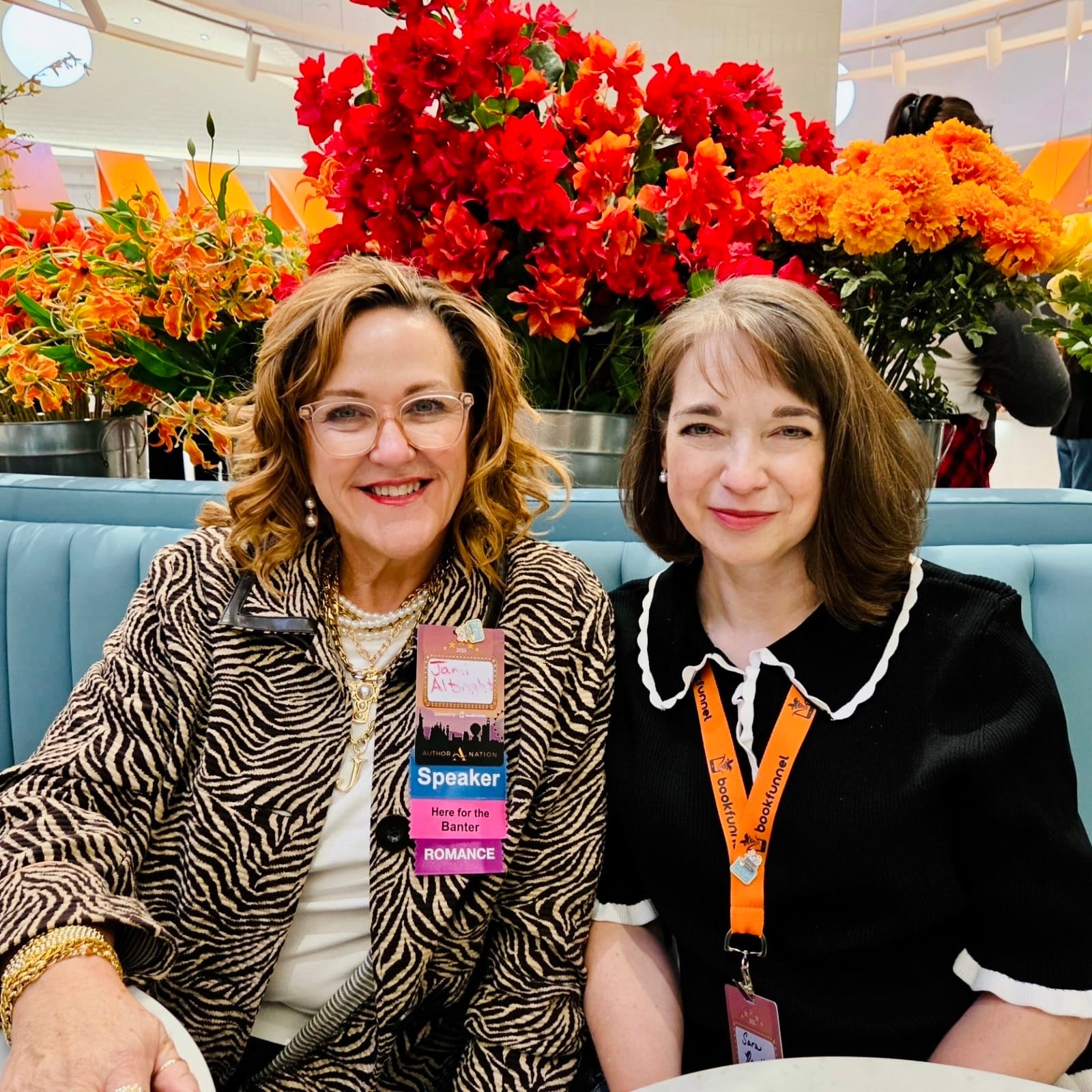
Rosett’s partnership with Jami Albright on the Wish I'd Known Then podcast is also a chance for the author to brainstorm and discuss writing and publishing questions and topics with someone else in the industry.
 Merri Maywether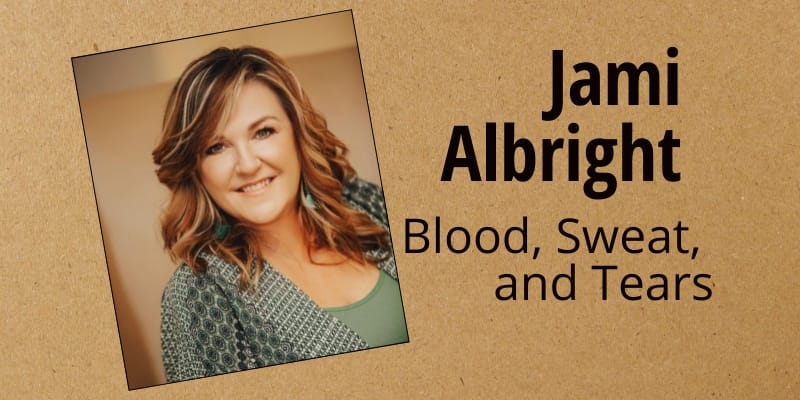
The pair met at a small writing conference in Texas. "We found out that we lived in Houston, and we're actually very close to each other," Rosett says. Their friendship—and later, the idea for their podcast—grew from shared experiences and conversations about publishing.
Their partnership works because their strengths complement each other, Rosett says. "Jami is so good at making people feel comfortable. She just really connects with people really well," Rosett says. "She's very much a people person. I'm more introverted."
That difference has become an advantage. Rather than trying to approach the podcast in the same way, they naturally divide responsibilities based on what each person does best. "She's definitely the hype person for the podcast, and the connector person," Rosett says. "I'm more like the background, setting things up—kind of the admin."
For a writer who describes herself as introverted, stepping into a public-facing role has required its own adjustments. Although she has given solo presentations, Rosett prefers to be part of a panel. "I actually feel much more comfortable on panels because I feel like the attention is spread out, and it's not all on me," Rosett says. Even with years of experience, being viewed as an expert can feel intimidating. However, she has found that connecting with other authors helps shift the perspective. "If you talk to people who are in the audience, it's a lot less threatening, because most of them are just authors, just like us, trying to figure it all out," Rosett says.
The Next Chapter
The next thing Rosett wants to figure out is a Wish I’d Known Then series about fandom. She’s interested in “looking at the nuts and bolts of fandom: what we’re fans of, and why we’re fans of those things–what draws us and what the core of fandom is.” She’d also like to do a craft episode for the podcast on writing about conflict, which they haven't tackled before.
On her own, Rosett is currently fulfilling a Kickstarter project for which she mails physical letters to readers. The first story she did this way unfolded over eight weeks, told through letters that had layouts designed by her cover artist. The project was so successful that she did another run of eight letters and is now mailing a story told in twenty-four parts, which started last December. The run will end in November.
She says the project is one that can easily grow, with new stories, new art, and new bonuses to add in, but she has to limit herself to what fits her lifestyle and her business model. She completed writing and designing the letters last year, and “I made a vow that I’m not doing anything else this year,” she says.
Rosett says that she is considering doing the project again in the future, but she will probably scale back, as the sets of eight were more sustainable. Although some authors have set up similar physical subscriptions that readers can start at any time, Rosett prefers to keep hers as limited runs with fixed mailing dates. “I didn’t want to be a letter publisher,” she says. “My first love is novels and writing the stories that I want to write. So I’m keeping that as a side business.”
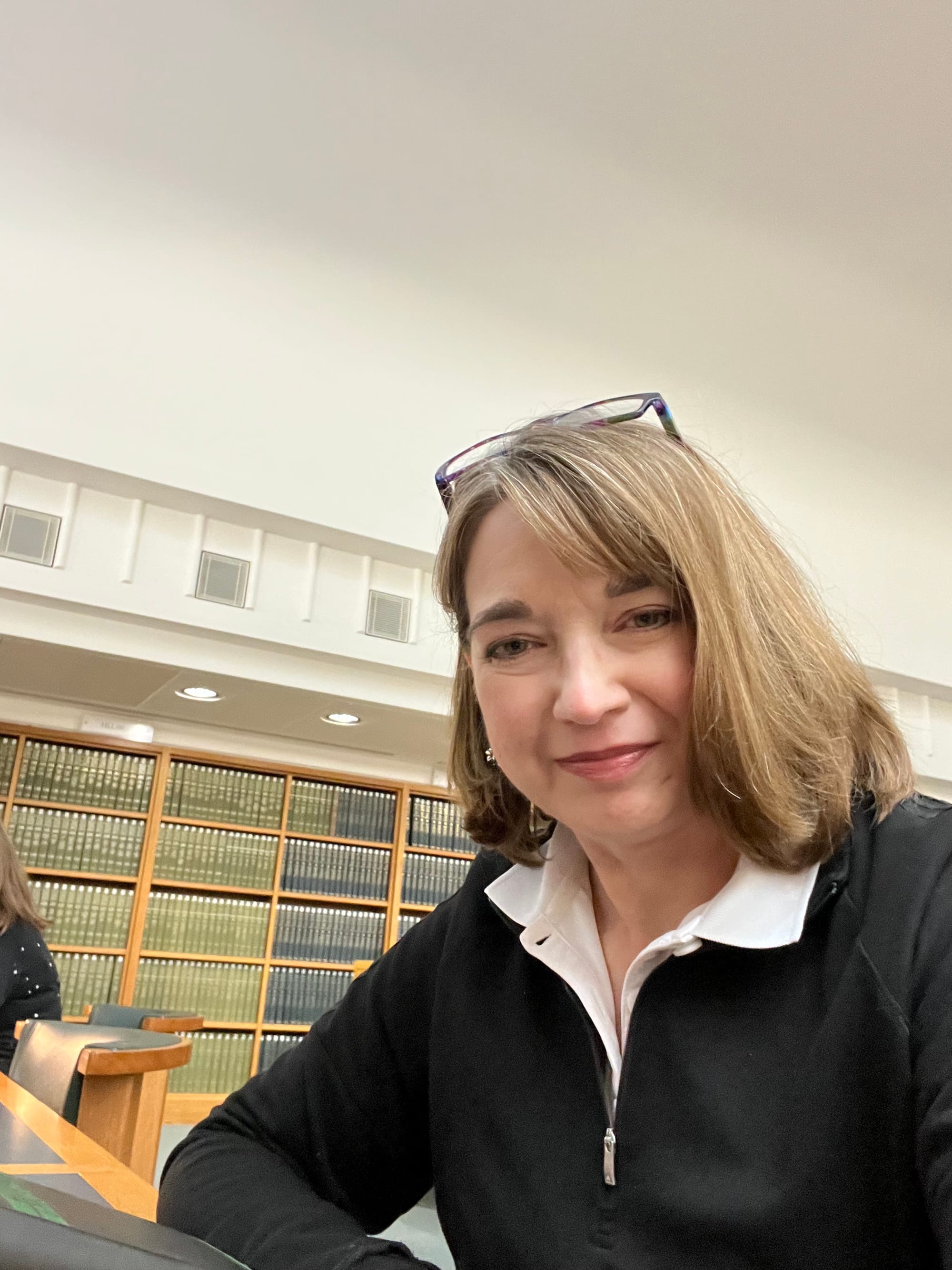
After nearly two decades in publishing, Rosett's strongest advice for newer authors comes down to perspective. The biggest lessons are not about shortcuts or overnight success. They are about building something sustainable—“the attitude that this is a long haul," Rosett says.
"I want my books to last,” she says. “I want them to be around in twenty, thirty years, and people still reading them, enjoying them."
That long view has shaped the choices she makes today. Instead of focusing only on immediate results, she is building a body of work designed to endure. "One book a year is plenty for me right now," Rosett says. That does not mean she is stepping away from writing. Instead, she has become more intentional about the role writing plays in her life. "I want to be able to write my books, but then I also want to be able to step away and go have a great afternoon or vacation and not be worried about what's happening," Rosett says.
Looking at all she’s accomplished with that mindset, Rosett’s success doesn’t seem like such a mystery after all.


