


Late last month, MailerLite announced changes to the company’s free plan that would take effect July 1. With the change, users would have access to additional features, but the number of subscribers allowed on a free plan would decrease from 500 users to 250 users. This week, the platform made additional changes to its tier structure, this time for paid users.
Beginning August 13, MailerLite’s paid tiers will be renamed to the Comfort tier and Power tier—previously known as the Growing Business and Advanced tiers, respectively. The pricing structure of both tiers has also changed; the Comfort tier will now cost users $12 monthly, and the Power tier will cost $25 monthly, an increase of a few dollars for each tier compared with earlier in the year. The change also comes with additional new features and account use limits. The new tier structures will roll out gradually and take effect on users’ account renewal dates; you can read more in MailerLite’s announcement here: https://www.mailerlite.com/help/paid-plans-update-faq.
The platform announcement sparked conversations in multiple author spaces about newsletter platforms and services authors are using in 2026. We’d like to know, too: What newsletter platforms are you using today, and how has your newsletter strategy changed in recent years? Do you still send a traditional author newsletter, or has a different approach worked better for engaging your readers? Reach out to feedback@indieauthormagazine.com and let us know—your response may be included in an upcoming article on author newsletters in 2026.
This Week's Indie Author Magazine Articles
In February, Written Word Media published its annual reader survey, analyzing what, how, and why readers were turning to books. Among those surveyed, 30 percent said they had purchased a special edition of a book, and another 7 percent said they weren’t sure whether they’d bought a special edition. And with 23 percent of readers willing to pay more for an “enhanced edition,” according to the survey, authors who produce special editions have a clear opportunity to not only connect with readers but also increase profits. In this week’s Monday Close-Up, IAM publisher Chelle Honiker explores ten tips for creating special editions—the bespoke elements to include, platforms to consider using, and how to put the final product in front of readers.
 Chelle Honiker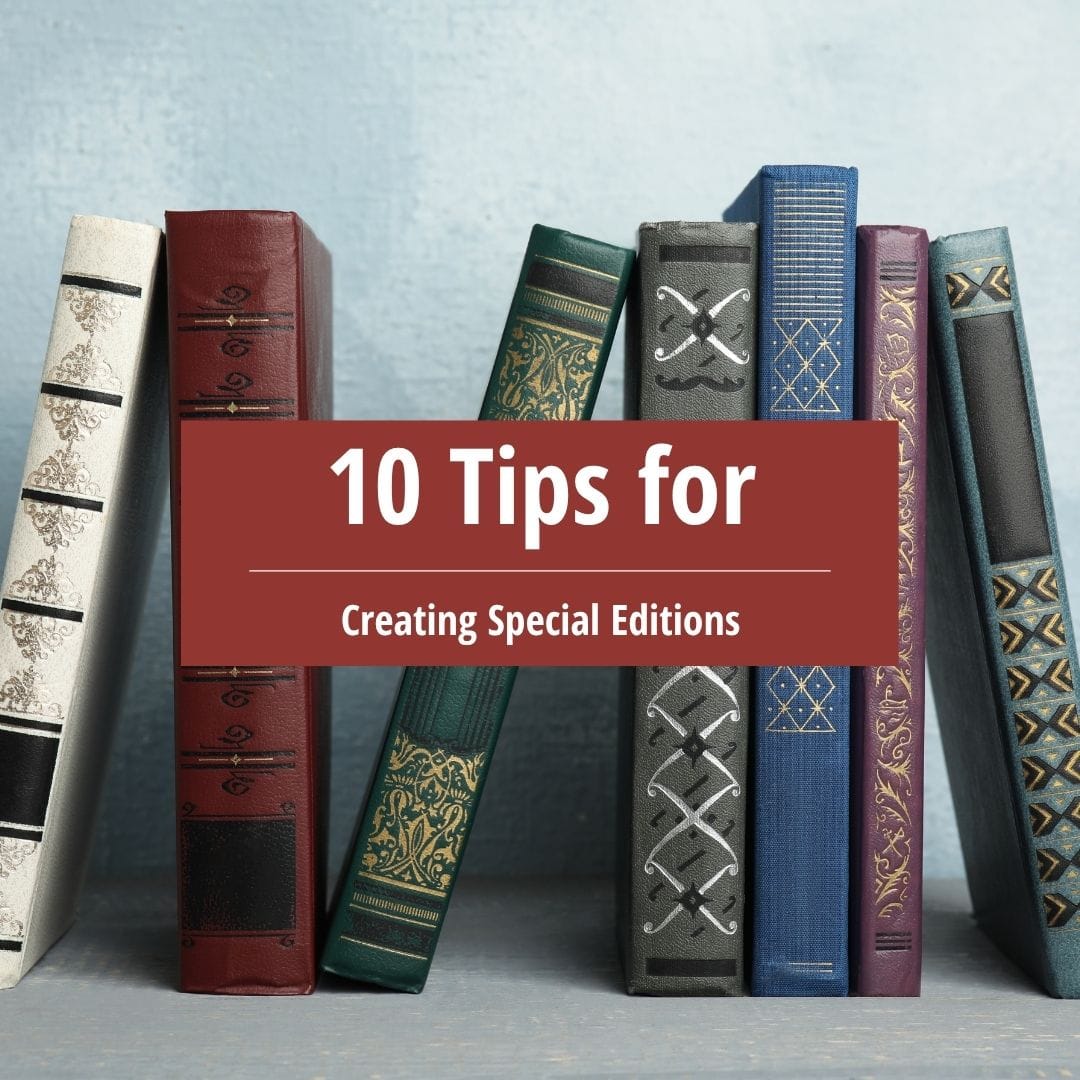
After weeks, months, or even years of writing tens of thousand words in a novel, sometimes the most challenging paragraphs to write are those that sum up the story to sell it to readers. A book’s blurb can be a challenging art form to master, but this week, IAM’s Susan Odev explores a simple, four-part structure that can help you draft a book description that sells.
Susan Odev
Teachings from Indie Author Training
Webinar: “Let Claude Cowork plan, script, and organize 30 days of posting on TikTok—no dancing required"
Posting “when you feel like it” won’t move books. If TikTok drains your time and confidence, let Claude Cowork plan, script, and organize thirty days of posts, so you can film once and publish all month.
This free, hands-on webinar shows indie authors how to use Claude Cowork to build a month of TikTok content fast. We’ll turn your blurbs, tropes, covers, and reviews into hooks, scripts, shot lists, captions, and a simple content calendar. Get ready to learn a repeatable workflow that keeps your BookTok presence consistent without daily stress.
Watch the replay here: https://webinars.indieauthortraining.com/talks/let-claude-cowork-plan-script-and-organize-30-days-of-posting-on-tiktok-no-dancing-required.
More Indie Publishing News
Here’s a look beyond our pages at the latest headlines and happenings in the publishing world.
- As AI-generated content floods bookselling platforms and the AI debate among publishing professionals remains as divided as ever, the library platform Libby has announced it will roll out new controls to allow readers to filter out AI content from their search results and recommendations. The filter relies on publishers and authors identifying whether AI has been used in a work, though the guidelines for whether certain use cases, such as for outlining the book or proofreading a rough draft for spelling errors, are still unclear. Read more at: https://www.techbuzz.ai/articles/libby-rolls-out-ai-filter-as-digital-libraries-brace-for-bot-books.
- The US Copyright Office submitted is new proposed fee schedule to Congress Tuesday, would increase the cost to register a new single work from $45 to $55 if submitted electronically, and from $125 to $185 if submitted via paper filing. If instituted, the new fees will take effect beginning fall 2026. Read the announcement on the US Copyright Office webpage here, and read the proposed schedule here: https://www.copyright.gov/rulemaking/feestudy2026/proposed-fee-schedule.pdf.
And for more information on registering your book with the US Copyright Office, check out IAM’s Devil in the Details article on the subject from February of this year.
Des Smith-Daughety
Anything we’ve missed that you think we should cover? Any topics or questions you’d like our team to explore? Let us know at feedback@indieauthormagazine.com. Your suggestion may just make it into an upcoming article.


