


The landmark settlement between authors and AI company Anthropic for the company’s use of pirated books to train its AI models finally came to a close this week after more than a year of court proceedings.
A federal judge approved the settlement Tuesday, which amounts to about $1.5 billion in total—approximately $3,000 per title included in the settlement. In the final ruling, Judge Araceli Martinez-Olguin reduced attorneys’ fees and overruled all objections, as well as all but two late opt-out requests from authors involved in the settlement. The actual date when authors and publishers will begin to receive payment is still unclear. “Estimates I’ve seen range from sometime in September to, according to one lawyer I’m in touch with, 'not in 2026,’” writes Victoria Strauss for Writer Beware.
The settlement also requires Anthropic destroy any of the files downloaded from either of the pirate sites named in the settlement and any copies created from those original files. The company has said that neither dataset was used in its commercially licensed large language models, according to Authors Guild.
The Bartz v. Anthropic case was one of the most closely watched AI-related copyright cases to date, though it is far from the only one setting precedents for authors and publishers in the age of artificial intelligence. Plus, a subset of authors who opted out of the Anthropic settlement have just begun their own case against the company for using their pirated works.
Last month, IAM publisher Chelle Honiker shared an in-depth look at the major court cases examining copyright in the context of AI currently being decided by courts today, as well as the precedents that have already been set since IAM’s first look at the impact of artificial intelligence on publishing in April 2023. Read her feature below.
 Chelle Honiker
For more information on the Anthropic settlement update from this week, check out the articles by The Authors Guild and Writer Beware. If you are involved in the settlement and have specific questions regarding the case, visit https://www.anthropiccopyrightsettlement.com.
In many cases, the law around copyright in the wake of AI is still being decided; watch IAM for news about ongoing and future court cases and how they may impact your business.
Indie Author Magazine Articles You May Have Missed
No new articles this week as our staff wraps up the second print issue of 2026, but in the meantime, these stories published in the past few weeks are worth a read (or a re-read)!
In February, Written Word Media published its annual reader survey, analyzing what, how, and why readers were turning to books. Among those surveyed, 30 percent said they had purchased a special edition of a book, and another 7 percent said they weren’t sure whether they’d bought a special edition. And with 23 percent of readers willing to pay more for an “enhanced edition,” according to the survey, authors who produce special editions have a clear opportunity to not only connect with readers but also increase profits. In this Monday Close-Up, IAM publisher Chelle Honiker explores ten tips for creating special editions—the bespoke elements to include, platforms to consider using, and how to put the final product in front of readers.
Chelle Honiker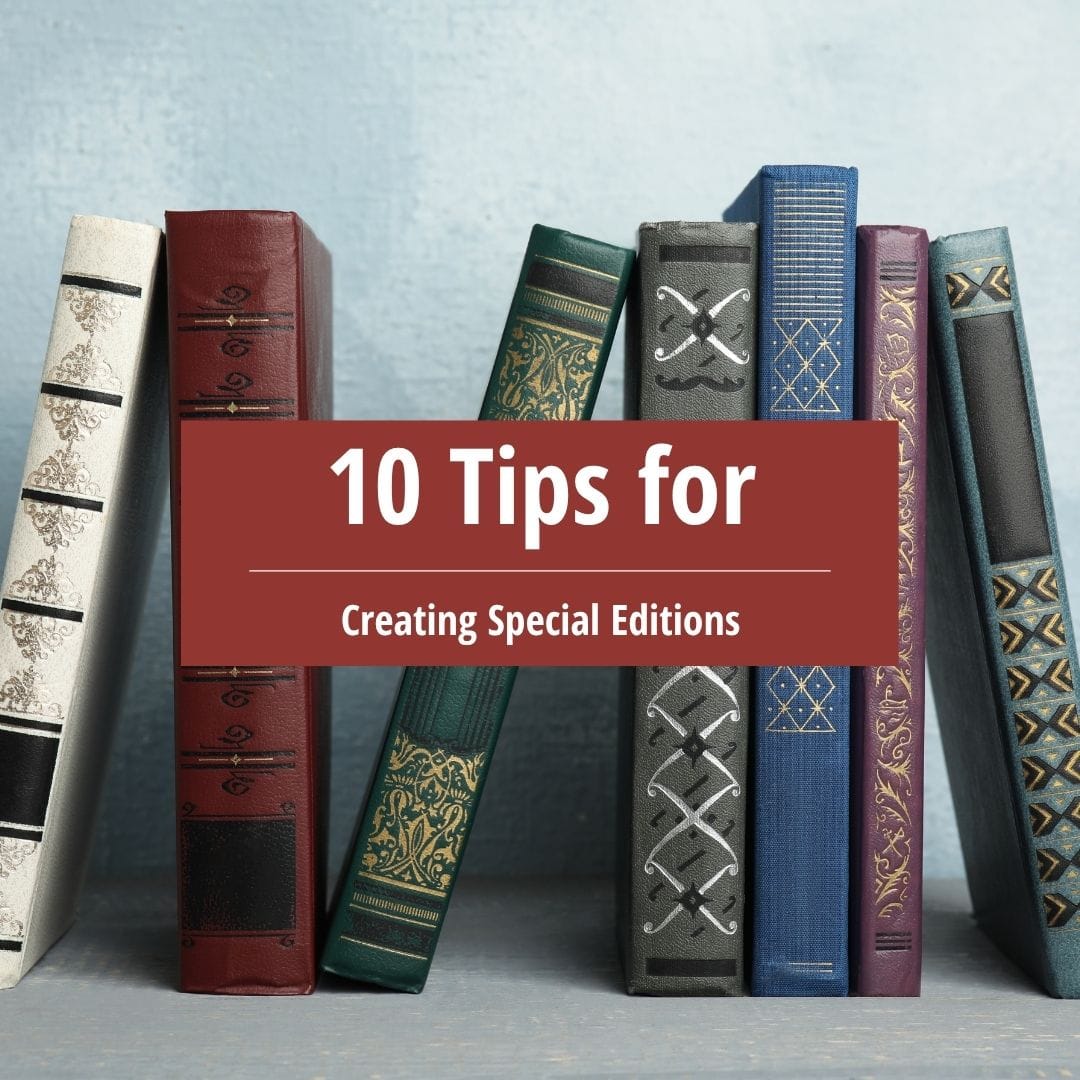
Before a reader ever opens your story, your cover will invite them to come closer. A good cover conveys your story’s genre, tone, and key elements at a glance while also standing out enough to catch your audience’s eye. As part of her series on launching a new pen name in a year, IAM columnist Susan Odev explores the details that matter most when designing your book’s biggest marketing tool, plus how to find a designer who can bring your vision to life.
Susan Odev
As the summer travel season approaches, more authors are getting ready for their own adventures: vacations, author conferences, writing retreats, and more. These don’t have to mean a break from your story, however. In this Mindset article, IAM staff writer Heather Clement Davis reminds authors that no matter where they’re headed or which genre they write, exploration can be a chance to inspire their writing and research real-world details that will pull readers even deeper into their book’s pages.
Heather Clement Davis
Teachings from Indie Author Training
Webinar: “What's Your Reader Journey? Writing a Nonfiction Book that Changes Lives"
If you want to write a book that makes real impact in the world, you need to take your reader on an unforgettable journey. In this webinar, we'll explore different nonfiction-specific reader journeys and discuss how to set up, deliver, and integrate reader transformations along the way.
Takeaways:
- A nonfiction book shouldn't just provide information; it should deliver transformation.
- The reader is the protagonist of your nonfiction book—not you.
- A book that changes lives happens when the transformation has been deliberately set up, delivered, and integrated.
Watch the replay here: https://webinars.indieauthortraining.com/talks/whats-your-reader-journey-writing-a-nonfiction-book-that-changes-lives/
More Indie Publishing News
Here’s a look beyond our pages at the latest headlines and happenings in the publishing world.
- A new UK imprint of Big Five publisher Simon & Schuster, called Simon Stream, will focus on self-published authors who want to make the switch to traditional publishing, according to an article in Publishers Weekly. The imprint will publish books in paperback, ebook, and audiobook formats and will seek to provide authors "the best parts of both [self- and traditional] publishing models,” said publishing director Victoria Pepe, including a 50 percent royalty rate on ebooks as opposed to traditional publishing’s typical 25 percent rate. The imprint’s submissions portal is open now to Thriller, Romance, Historical Fiction, and Fantasy manuscripts; its first books will be a Cozy Crime series by Jack Gatland, the pen name of Tony Lee. Read more about the imprint here, and find the submissions portal at https://www.simonandschuster.co.uk/p/simon-stream.
David Viergutz
Anything we’ve missed that you think we should cover? Any topics or questions you’d like our team to explore? Let us know at feedback@indieauthormagazine.com. Your suggestion may just make it into an upcoming article.


