


Newsletter swaps remain one of the most effective, low‑cost ways for authors to reach new readers, but the landscape that supports them has changed dramatically in the past few years. Reader expectations have shifted, inbox competition has intensified, and authors now have access to better tools, smarter analytics, and more nuanced ways to collaborate.
Whether you’re a seasoned swapper or just getting started, 2026 is the perfect moment to refresh your strategy. These ten tips, updated to reflect the technology and platforms available today, will help you find the right partners, present compelling recommendations, and build long‑term relationships that benefit both you and your readers.
1. Build a Curated Swap Network Instead of Relying on Cold Outreach.
These days, the most successful authors aren’t swapping randomly—they’re building curated networks of trusted peers. Instead of sending one‑off requests, focus on forming a small circle of authors whose genres, tones, and readerships align with yours. These networks often form in private Discord groups, genre‑specific Slack channels, or small mastermind cohorts. The advantage is consistency, both in quality and in timing; you know the quality of their books, they know yours, and you can coordinate releases, seasonal promotions, and themed swaps throughout the year. This approach reduces the time you spend hunting for partners and increases the reliability of your results.
2. Use Data-Driven Discovery Tools to Find Ideal Swap Partners.
Finding authors to swap with used to require guesswork. Now, authors can use tools that analyze genre overlap, audience behavior, and newsletter engagement. Platforms like BookFunnel, StoryOrigin, and BookSirens have expanded their analytics dashboards, making it easier to identify authors with similar reader demographics. Some authors also use social listening tools—such as Followerwonk or SparkToro—to identify writers whose audiences share interests with their own. Instead of relying on “vibes,” you can now make decisions based on open rates, click‑through patterns, and genre‑specific reader behavior.
Publisher Rocket is another tool to help you find books that align with yours. Publisher Rocket is specifically aligned with Amazon to help you see your fellow authors’ rankings, sales, and marketing strategies. For example, Author A is right on brand with your readership, has a large following, and has a new release. Maybe the latest release is the first in a new series, and she needs to get as many eyes as possible on this book; thus, she might be more willing to do a newsletter swap.
3. Choose Books that Strengthen Your Brand Rather than Simply Providing Filler.
One of the biggest shifts in 2026 is the emphasis on brand alignment. Readers are more discerning, and they expect your recommendations to feel intentional. When selecting books for a swap, ask yourself: Does this book reinforce what my readers already love about my work? If you write Cozy Mysteries with heartwarming themes, a gritty Thriller—even from a friend—may feel jarring. Even branching into different subgenres of the same genre may not appeal to your entire readership; some Cozy Mystery readers may not want to branch into Cozy Paranormal books, for example.
Although you shouldn’t feel pressured to always stick to the same genre and subgenre as your books, be aware that some readers may not like certain elements of another. Prioritize books that complement your tone, tropes, and emotional beats. This strengthens reader trust and increases the likelihood that they’ll click, download, and ultimately buy.
4. Values Alignment Should Be Nonnegotiable.
Beyond genre and tone, values alignment has become essential. Readers increasingly expect transparency and authenticity from the authors they follow—and they’ll expect it from the authors you recommend as well. Before agreeing to a swap, take time to understand the other author’s brand values, messaging, and public presence. Do their books reflect themes you’re comfortable endorsing? Do they engage respectfully with readers? Do they maintain professional boundaries online? Recommending a book is a form of endorsement, and your readers will associate that recommendation with your own values. Protecting your brand integrity is just as important as boosting your reach.
5. Present Swaps as Recommendations Rather than Ads.
Readers respond best when a swap feels like a personal recommendation rather than a transactional promotion. Authors today are leaning into storytelling when presenting swap books. Instead of dropping a cover and a blurb, introduce the book with a short anecdote, a thematic connection, or a personal reaction. For example: “If you love the small‑town charm in my latest book, you’ll adore the quirky community in this new release from …” This approach humanizes the swap, increases click‑through rates, and reinforces your relationship with your audience.
6. Use Visual Consistency to Elevate Your Swap Section.
Design matters more than ever. Readers skim, and a visually cohesive swap section helps your recommendations stand out. Many authors now use branded templates—created in Canva, Adobe Express, or Affinity Designer—to present swap books with consistent fonts, colors, and layouts. This not only looks professional but also signals to readers that you’ve curated the recommendation thoughtfully. Consider using a recurring header like “My Recommendations” or “Books I Think You’ll Love” to create familiarity and trust.
 Chelle Honiker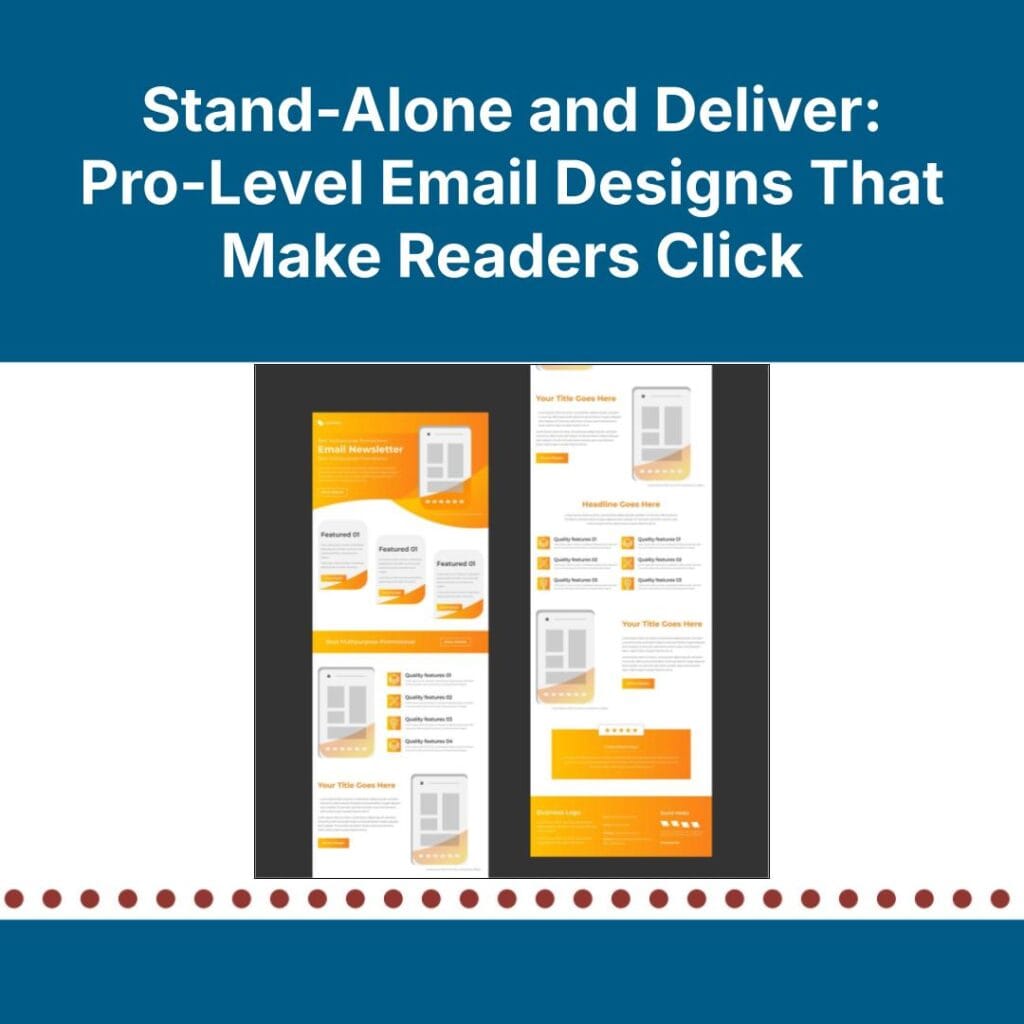
7. Track Swap Performance with Analytics.
The analytics landscape has evolved significantly since 2022, when Indie Author Magazine first reported on newsletter swaps. Authors now have access to more granular data, including heat maps, device‑specific open rates, and link‑level attribution. Tools like ConvertKit, MailerLite, and Beehiiv offer advanced segmentation that lets you see which readers engage with swap content. You can track not just clicks but also downstream behavior—such as whether readers downloaded the free book, joined the other author’s list, or purchased a follow‑up title. Reviewing this data prior to your swap, the day after your swap, and a week following the swap helps you refine your swap strategy, identify high‑performing partners, and avoid swaps that don’t deliver value.
8. Use Swap Agreements to Set Expectations and Protect Your Time.
As newsletter swaps have become more common, so have misunderstandings. Today, many authors use simple written agreements—nothing formal, just a shared Google Doc or Notion page—to outline expectations with swap partners. These agreements typically include: the date of the swap, the book being promoted, the format of the promotion, the number of links included, and any required assets, such as a cover image, blurb, or author photo. This prevents last‑minute surprises and ensures both authors deliver what they promised. It also helps you maintain a professional reputation and avoid awkward follow‑ups.
9. Explore Adjacent Tactics that Complement Newsletter Swaps.
Newsletter swaps are powerful, but they’re even more effective when paired with complementary strategies. In 2026, authors are experimenting with:
- micro‑influencer collaborations, especially on BookTok and Bookstagram—many authors provide free books and merchandise to these influencers for unboxings and reviews in the hope that their books will go viral on the platforms;
- shared bonus content, such as co‑authored short stories or themed recipe collections;
- reader‑driven recommendation chains, where fans share your book with their own networks;
- podcast guest swaps, where authors appear on each other’s shows; and
- cross‑platform bundles, where authors offer a joint giveaway across newsletters and social media.
Although these tactics might not directly correlate to your newsletter swap, they can help to expand your reach beyond the inbox and help you build a more resilient marketing ecosystem. If readers are promoting other authors’ books in their newsletters and social media posts, swapping with an author who has an “in” with one or more of these influencers could substantially boost your readership.
10. Prioritize Relationships Over One-Off Swaps.
The most successful authors in 2026 treat newsletter swaps as the beginning of a relationship rather than a one‑time transaction. After a swap, follow up with your partner to share results, express appreciation, and discuss future opportunities. Consider creating recurring seasonal swaps, joint promotions, or even co‑branded reader events. Long‑term partnerships lead to better alignment, stronger trust, and more consistent results. They also reduce the time you spend searching for new partners and allow you to build a stable, supportive author community.
Newsletter swaps in 2026 are more strategic, more data‑driven, and more relationship‑focused than ever before. Authors who succeed aren’t just trading links—they’re curating recommendations, protecting their brand values, and building networks that support their long‑term careers. By embracing new tools, prioritizing alignment, and exploring adjacent marketing tactics, you can turn newsletter swaps into one of the most powerful components of your author platform.


