


Spend enough time in author circles, and you may think that success only comes after leaving your day job. Advice about building an author business often assumes that writing will eventually become a full-time career—or at least that it’s the goal new authors are striving to reach.
Yet many writers choose a different path. Some are building their publishing careers while working another profession. Others have no desire to make writing their primary source of income. They write because they love the work, even when life leaves them only a few hours each week to devote to it.
In this article, three authors share how they make writing fit into busy lives. Their stories show the routines they have built, the challenges they face, and the satisfaction they find in pursuing a writing career that works for them, even if that career takes place alongside another one.
Note: Responses have been edited for length and clarity.
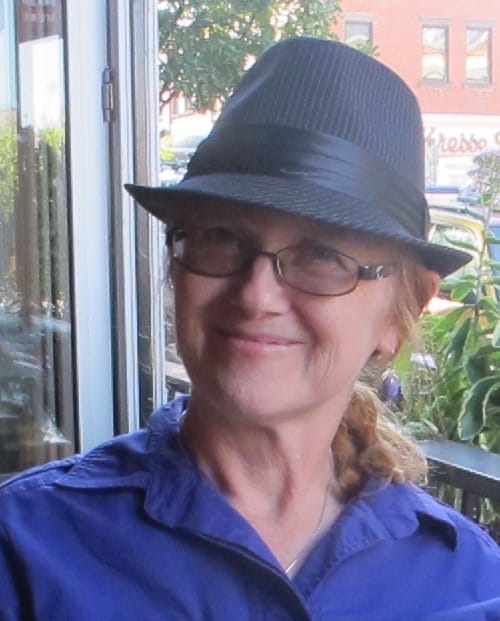
Joyce Reynolds-Ward
An author of thirty-two self-published books, Joyce Reynolds-Ward writes Science Fiction and Fantasy with crossovers into Western and Family Saga.
IAM: Can you tell us more about your day job? What first inspired you to pursue writing alongside your career instead of waiting until you could write full time?
Reynolds-Ward: I've always had multiple side gigs and day jobs. I realized early on that making a living from writing required the type of writing that was not the writing that my heart really wanted to do. Before the pandemic, I was making and selling fiber artwork. Before then, I had been teaching and consulting. I'm retired from that.
What does a typical writing week look like for you?
Reynolds-Ward: When I was teaching full time, I would get up at 4:30 in the morning to write for an hour before going to work. Then I would do a bit of editing at lunchtime. Then I would do editing in the evenings. That was after working with the horse I had then for a couple of hours. So it was just figuring out bits and pieces here and there for where I'm doing things.
Now, I also have committee responsibilities—not just to the SFWA Independent Authors Committee, for which I'm a co-chair, but also for my Soroptimist chapter. We have community projects that hand out up to $1,000 for people who are doing startup businesses—primarily women who are getting certifications, licenses, insurance, and occasionally somebody who is really in financial need.
I've redefined my writing goals over the years—just doing the years of work, understanding myself as a writer, understanding that in the viewpoint of traditional publishing I would probably end up falling more in the mid-list than the breakout, and learning to accept that. These days I just plain want to be read.
What misconceptions do people have about authors who publish as a side business as opposed to being full-time writers?
Reynolds-Ward: That it's a hobby, that you're not serious about it, that you're just playing at it. Like any side gig, writing requires moments of intense focus. It requires the ability to sit down and just drill down and work on a project. That's the major misconception about it.
If you could speak directly to an author who feels behind because they aren't writing full time, what would you want them to know?
Reynolds-Ward: If you write, you're a writer. Plain and simple.
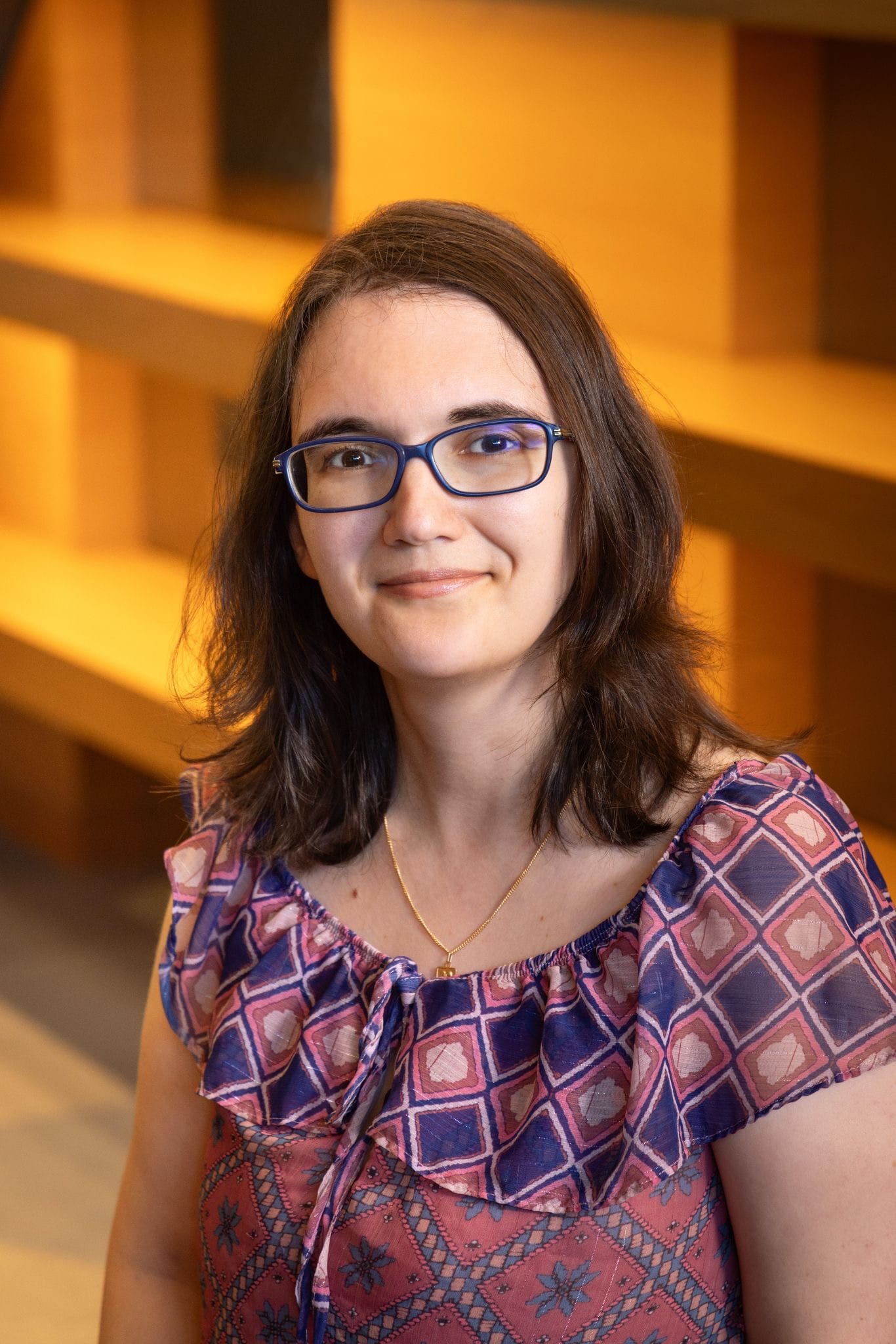
Mille Abecassis
Originally from France, Mille Abecassis has been living in California for the past twelve years. She writes Fantasy, Horror, Science Fiction, and Fairy Tale Retellings. She often blends those genres together. She has published several novels and loves to write novellas.
IAM: Can you tell me more about your day job?
Abecassis: I work in the pharmaceutical industry. I'm not a scientist by training or by my job; my job is to support the community engagement of the company. Half of my job is interacting with local nonprofits, the City of South San Francisco, or other industry organizations.
I'm also responsible for employee engagement, which is a continuation of what I was doing in HR but in a different capacity. It's more about making sure the office is running smoothly and that the employees have what they need to do their jobs. It's a very cross-functional job, where I work with facilities, health and safety, environmental, the IT department, and our employee resource groups.
Why is your writing career on the side?
Abecassis: I've always wanted to be a writer. I remember when I was in high school, I was already writing fiction in French, since English is my second language. I made the switch to writing in English about five or six years ago.
When I decided to make the switch to writing in English and pursue traditional publication, I immediately knew that I would not quit my day job because I think I was quite well aware that I was probably not going to be making any money for a long time. Living in the Bay Area, the cost of living is also quite high. So I knew I would write on top of my job, with the idea that maybe one day I'll make enough money that I can write full time.
What does a typical writing week look like for you?
Abecassis: Right now my full-time job requires me to be in the office Tuesday, Wednesday, and Thursday. I work from home on Monday and Friday, so I arrange my writing around that.
Monday and Friday I work from home. During the day, I'll be doing my day job. After I'm done with my day job duties, I still have a lot of energy because I didn't have a long commute, so I'll try to write in the evening.
Tuesday, Wednesday, and Thursday are a bit more challenging because sometimes I get home a bit late, or even if I don't get home very late, I'm just tired because I've had a long day at work plus my commute. I'll still try to write a little bit, maybe just a few hundred words. Or maybe I won't write, but I'll just relax and think about whatever I'm working on next.
Then on the weekend I try to have at least one day that's really dedicated to writing. The next day I'll focus a bit more on social activities.
What misconceptions do people have about authors who publish as a side business?
Abecassis: One misconception that I've heard is that if you don't write full time, you're not a real writer. I think a lot of people don't realize the financial reality of writing. You can have a very successful writing career, have deals with the Big Five publishers, and make a decent amount of money, and it still may not be enough to cover your cost of living because the income is unstable.
Even if you're financially successful as a writer, there's still uncertainty, especially if you don't have a support system, like a spouse who can provide health insurance or other benefits. I think there's this misconception that as soon as you start making money writing, you should quit your day job, and you'll be able to handle everything.
Sometimes a writer’s day job even supports their writing. If you write Legal Thrillers and you're a lawyer, you may still want to keep practicing law, maybe not full time, because that career helps inform your writing.
I think there's this misconception that if you're not writing full time, it means you're not successful or that nobody is reading your books. That's simply not true. That's a misconception I've heard that comes from people who either don't realize the reality of being a writer or from writers who are in a privileged position that allows them to write full time without realizing that not everyone has that opportunity.
If you could speak directly to an author who feels behind because they aren't writing full time, what would you want them to know?
Abecassis: I would like them to know that they are not an anomaly. I think they're actually the norm. Most of the writers I know do not write full time. There is still this idea that you should aspire to be a full-time writer. I don't think it's really true anymore, not in this economy. It doesn't mean you cannot achieve that if it's your goal, but it might take some time. So don't feel like you're being left behind. It's not a race. Don't keep comparing yourself to other writers. Write for yourself. Do what works for you.
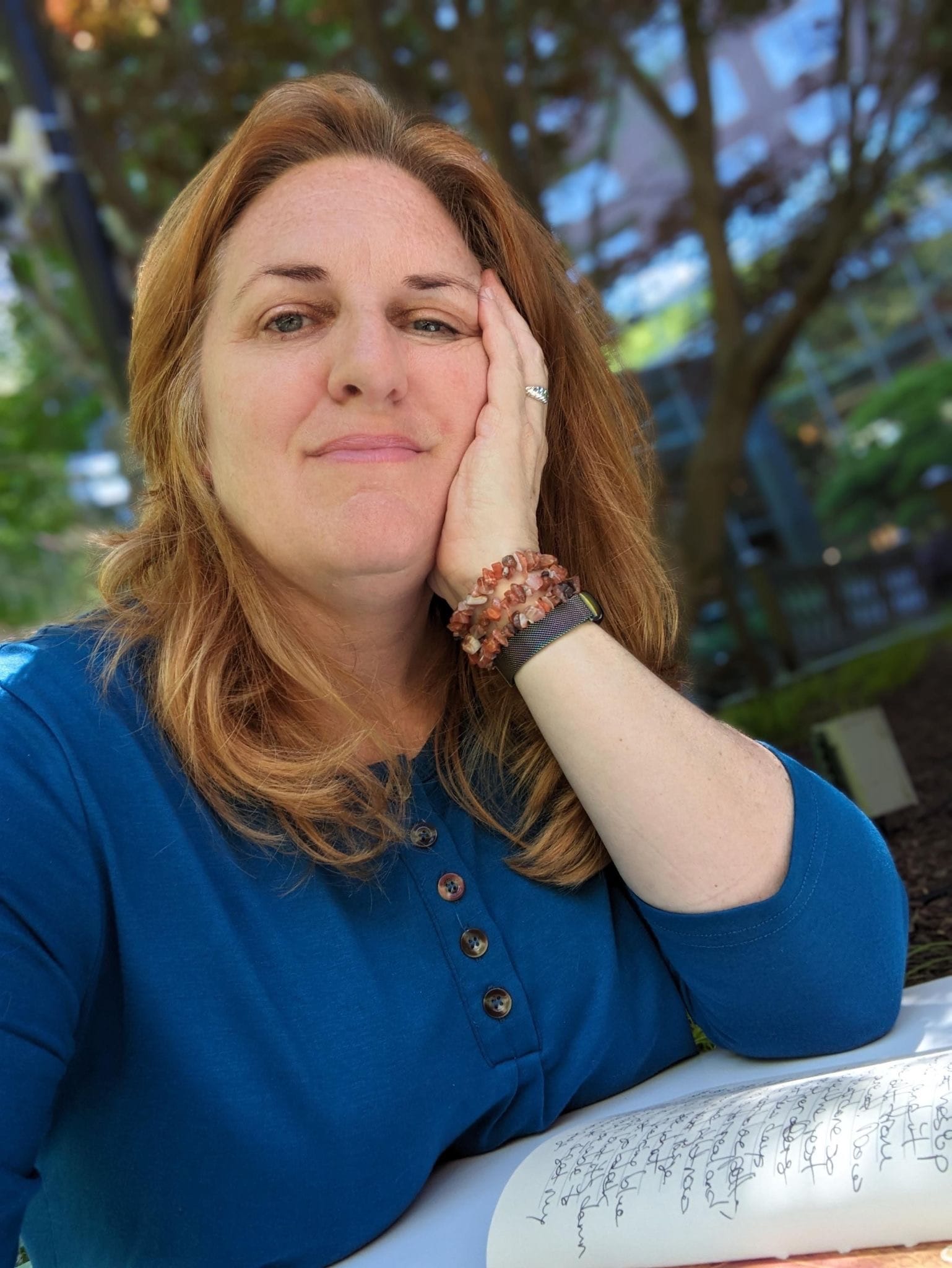
Paige L. Christie
An author of Epic Fantasy books, Paige L. Christie dabbles in Horror, Low Fantasy and Adult—not Spicy—Fiction. She enjoys genre writing that creates a grounded world but adds magical elements. She also loves writing stories with an Old West vibe because she grew up on Spaghetti Westerns and feels she can’t escape it.
IAM: Can you tell me about your day job? What first inspired you to pursue writing alongside it instead of waiting until you could write full time?
Christie: For the last decade, I’ve been the executive director of a small nonprofit in the mountains of western North Carolina. I run what is locally called a soup kitchen, though I hate that term because that's not what we do. We're a free meal program, food pantry, and social assistance location, and we have a Little Free Library.
I've been working since I was fourteen years old, part time, full time, and sometimes multiple jobs just to make ends meet. If I didn't find time to write and work on my craft whenever I could, I would never have written a word. That means it's been a very spotty journey. But it has been a journey.
What does a typical writing week look like for you?
Christie: Life has been a little crazy the last couple of years. Since 2024, I've moved, dealt with Hurricane Helene, and I'm doing work every day that is mentally and emotionally exhausting. So there hasn't been a lot of "typical" for a while.
It used to be that I would come home from my day job, and at nine o'clock at night, I would sit down and write from nine until midnight. That was the only writing time I had. Now it's more catch-as-catch-can.
If I have a day off, I try to leave the house for a couple of hours. I go to a local park and sit on a bench, or I go to a coffee shop. I get away from the laundry that needs doing, the dishes that need washing, the lawn that needs mowing, and everything else.
What I've discovered is that I feel better when I've written before I do anything else for the rest of the day, and that's what drives me forward. It's tough, especially as times get harder and my day job demands more of my time because so many people are in need of the services I provide. I spend more time focusing on other people and their needs than on myself. I think, as women of a certain generation, that happens anyway.
What misconceptions do people have about authors who publish as a side business?
Christie: People think we're not serious, that we're not talented, that we're not committed to the stories, the art form, and the work behind it—to making sure that what we're putting out is the best it can be. There's a lot of, "Oh, you're a wannabe."
Well, yeah. I want to be the best writer I can be. I want to have this pay for itself in some form or another. I want to be somebody's favorite author. Just because I'm not doing it full time doesn't mean I'm not doing it to the best of my ability and producing really good work that people enjoy reading.
I think we get caught up in the idea that if you don't write every day, you're not a real writer. I'm not a fan of absolutes because life is weird. Life gets in the way. I don't have to define success the way anybody else does, and I don't have to let anybody define it for me, either.
If you could speak directly to an author who feels behind because they aren't writing full time, what would you want them to know?
Christie: Just respect yourself and believe in yourself, your creativity, and your methodology. As long as you're finishing stories—whether they're short stories, poems, novels, or series—and crafting them to the best of your ability, you're not behind. You're right where you need to be, and you can only go forward from there, as long as you're completing the work, doing the best you can, and learning every day how to do it better.


